Understand the failure.
Protect the decision.
From the first inspection to the final verification, connect technical evidence with the practical realities of repairing critical equipment.
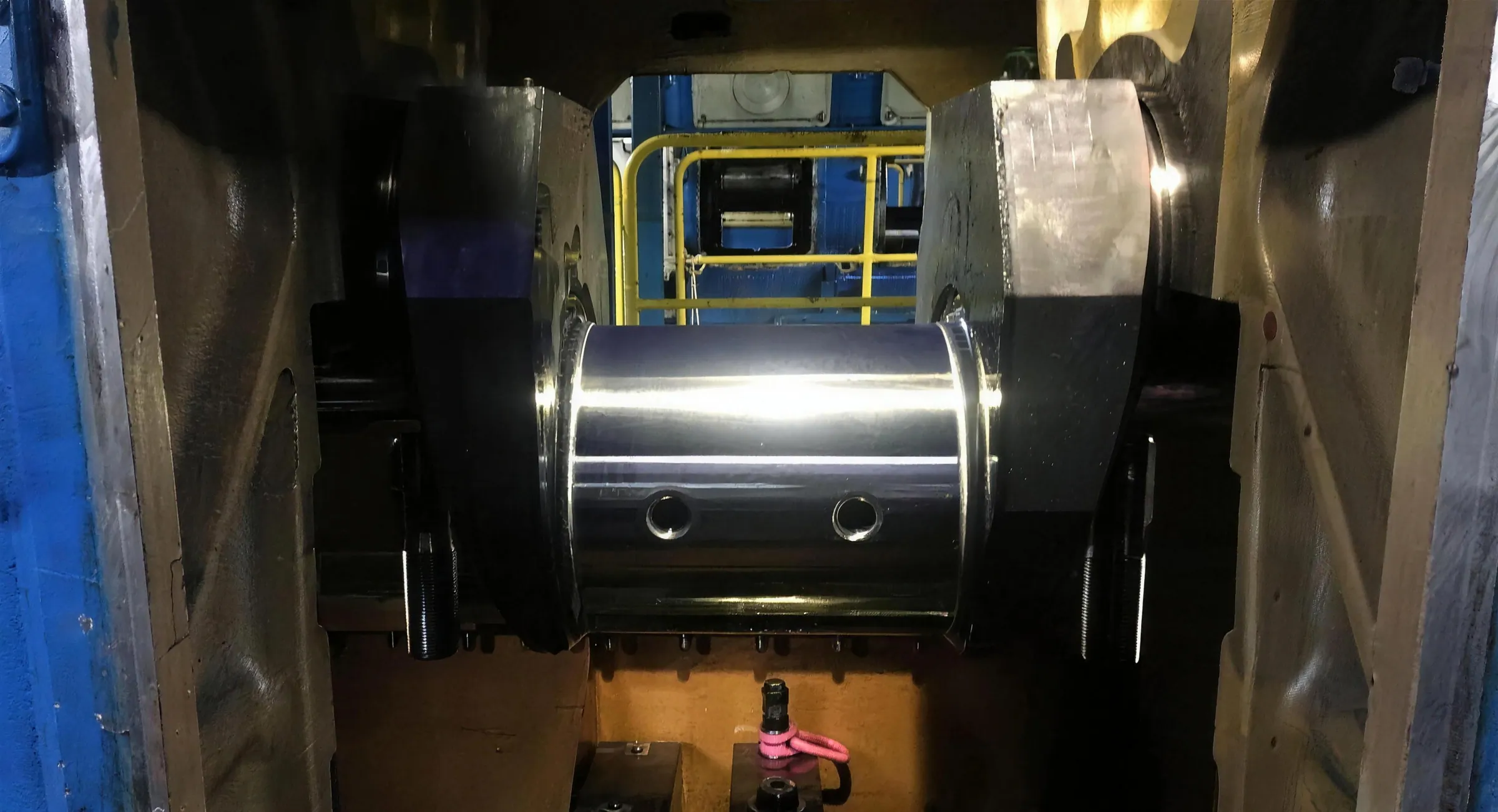
Crankshaft failure assessment.
Document the damage, evaluate the available evidence and establish whether a repair route is technically supportable before committing to machining.
Explore the assessment process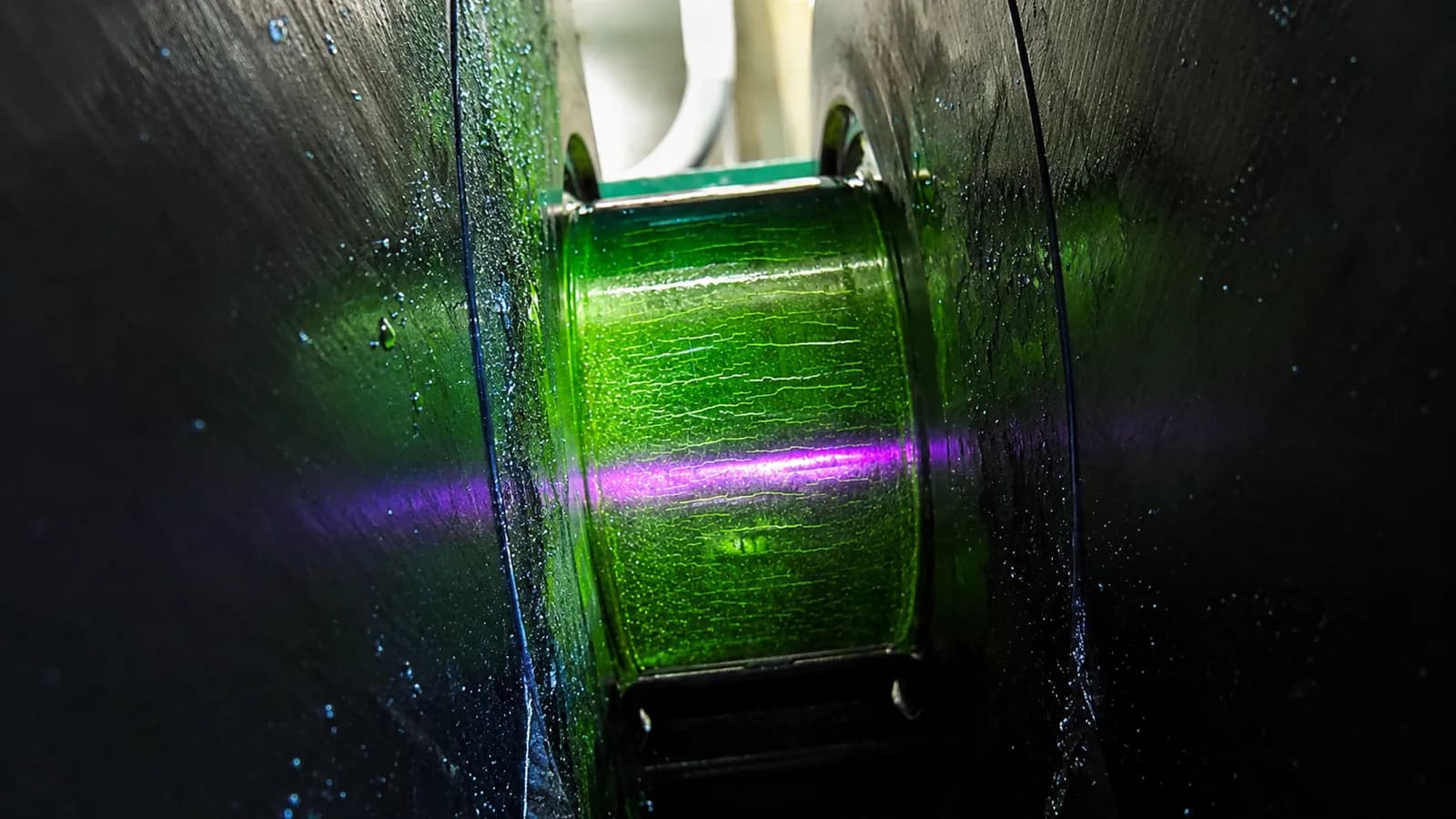
NDT & inspection
Magnetic particle, liquid penetrant and dimensional inspection with the method, scope and limitations made clear.
02Mechanical integrity
Condition evaluation and damage documentation for components whose continued service or repair needs technical review.
03Repair strategy
Compare the repair routes, understand their constraints and define the scope before the work is authorized.
04Specialist execution
Crankshaft, shaft, bore and flange machining connected to an agreed inspection and verification plan.
Inspection and repair scope is agreed for each assignment. Where additional expertise, testing or third-party review is required, those needs should be identified before the next stage is approved.
Two capabilities.
One technical partner.
Portable machining brings the work to your vessel or facility. Workshop reconditioning provides a controlled environment for engine and propulsion components at the Miami facility.
Engine component machining
Crankshafts, main bearing saddles, engine blocks, bedplates, cylinder heads, cylinder liner landings and camshaft bearing housings.
Turbocharger, pistons and systems
Turbocharger housings, exhaust manifold faces, piston and rod interfaces, fasteners and threads, and fuel, lube and cooling-system mounting surfaces.
Propulsion, shafting and gearboxes
Propulsion shaft journals, stern gear bores, gearbox housings, coupling faces, machinery foundations and auxiliary equipment interfaces.
NDT inspection and documentation
Component condition assessment, dimensional reporting and supporting inspection records for repair planning.
Tooling around the repair
OSM develops custom tooling for complex or one-off repairs.
Start with what you know.
Tell us the equipment, location and symptoms. Let us help define the next technical step.