 International
Engine block machining
Onsite and workshop machining of engine blocks and bedplates: main bearing and cam bores, cylinder liner landings, top deck and bearing cap seating faces, studs and threads.
Restore the block instead of replacing it.
An engine block or bedplate is one of the most expensive parts of an engine to replace. Replacing it also keeps the engine out of service for a long time. We restore its critical bores and surfaces in place where access allows, or in the workshop where that makes more sense. Every job starts with an assessment of the damage and the reference geometry. It ends with measured, documented results.
Repaired where it is installedMain bearing and cam bores
Main bearing bores, cam bores, main bearing tunnel line boring and bedplate main bearing alignment correction, verified by laser against the OEM or agreed tolerances.
Cylinder liner landings
Cylinder liner landings in the block, machined to restore the liner seating and sealing surfaces.
Top deck and seating faces
Engine top deck and bedplate work, bearing cap seating faces and thrust surfaces, milled in place.
Studs, threads and cracks
Broken cylinder head studs drilled out, threads restored with Helicoil, Timesert or solid inserts, tie rod tunnel work, and cold metal stitching of cracked blocks.
What the work covers.
Every job is scoped to the component and the result you need. A typical scope includes:
- Condition survey and measurement of the block, bores and seating faces
- Line boring of main bearing bores, cam bores and the main bearing tunnel
- Milling of top deck, bedplate and bearing cap seating faces
- Machining of cylinder liner landings in the block
- Broken stud removal and thread restoration
- Final measurement and documentation of the completed work
We agree the scope with you before work starts. Not every component suits every repair route, and we say so when it does not.
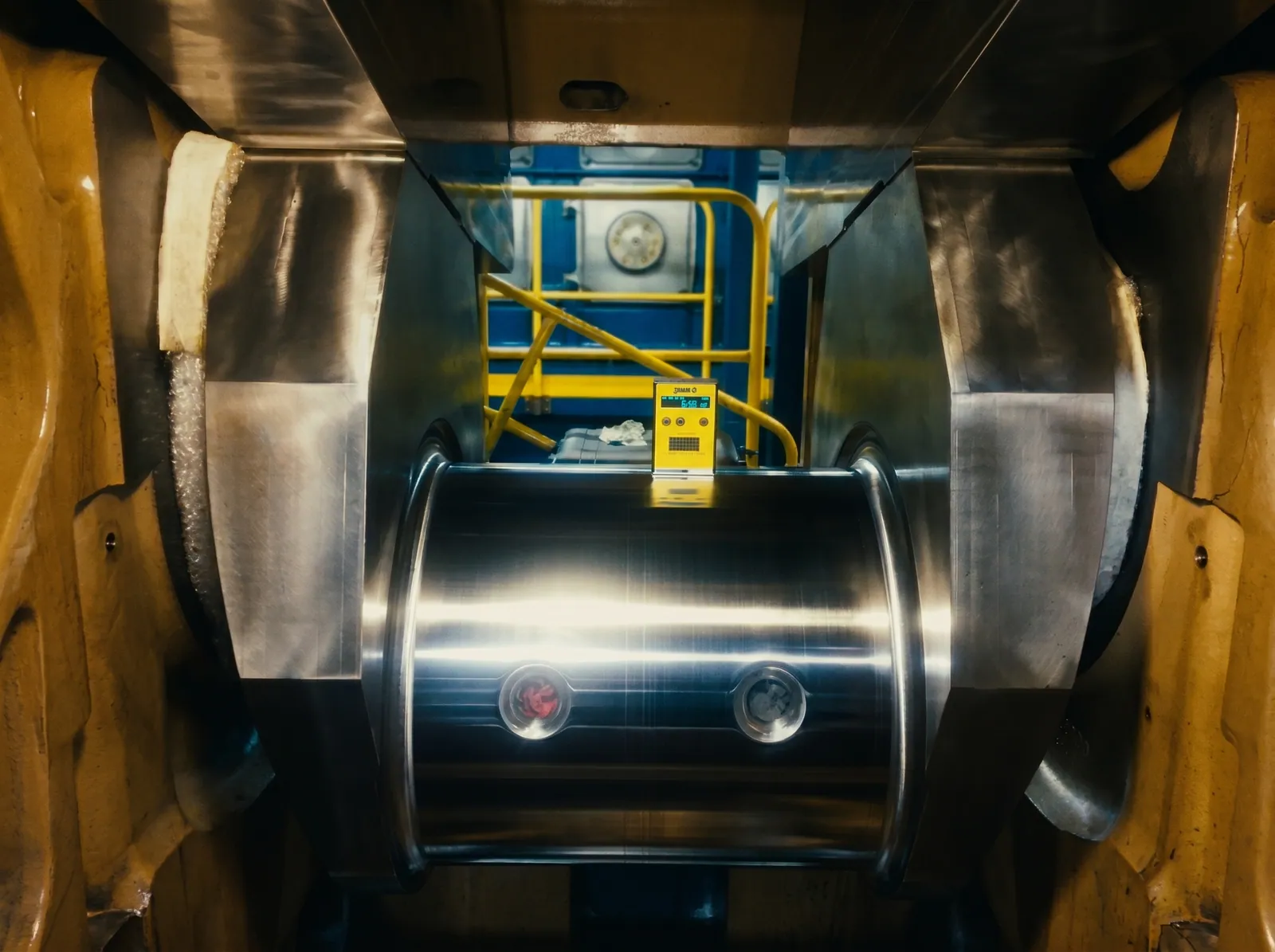
Assessed, agreed, machined, verified.
We assess the condition
Measurements, inspection and the history of the component, before any material is removed.
We agree the scope
The repair route, tolerances and acceptance criteria are agreed with you, together with schedule and price.
We machine in place
Portable equipment is set up around the component, at the vessel, platform, yard or plant.
We verify and document
Final dimensions are measured and recorded, and you receive closeout documentation with photographs.
Send us what you have.
You do not need every answer before you call. These details help us scope the job and quote it accurately.
- 01Engine make and model, the areas affected and available drawings
- 02Damage found, measurements and any previous repairs to the block
- 03Access, whether the work is to be done onsite or in the workshop, and the acceptance criteria
Questions about engine block machining.
Straight answers to what superintendents, engineers and plant managers ask before they call.
01Can an engine block be machined without removing it?
Often, yes. Line boring, milling and stud and thread work are carried out with the block in place where access allows. Where the block is better handled in the workshop, we recommend that route.
02What engine block repairs do you carry out?
Main bearing and cam bore line boring, main bearing tunnel and bedplate alignment correction, cylinder liner landing machining, top deck and bearing cap seating face milling, broken stud removal, thread restoration and cold metal stitching of cracks.
03How are cracked engine blocks repaired?
By cold metal stitching, where the casting and the loads allow. If another repair route is better for your block, we tell you when we recommend the route.
04What should we send to scope the work?
The engine type, the areas affected, measurements and photographs of the damage, and drawings if you have them.
Discuss your engine block machining job.
Send what you know. We review it with you and help identify the practical next step.
Equipment down: WhatsApp us, answered 24/7. Planned work: we reply the same business day.